Call us anytime +255 754 282 704
Let us plan your next adventure

Call us anytime +255 754 282 704

Let us plan your next adventure

Your Cart

Your cart is empty


Plan your Zanzibar Safari

Get essential trip information for your Zanzibar safari with Myriad Safaris - Attractions, health tips, packing lists, best time to visit, and more.

Home > Travel Information > Zanzibar

About Zanzibar Island

Zanzibar’s magical name evokes the mystery of its colorful past. Turbaned sultans, slave traders, dhows and spices. Zanzibar was also the starting point for two of Dr. Livingstone’s expeditions into the interior of the African continent. Today, Zanzibar retains its rich heritage through its unique architecture, museums, Arab fort and markets. 

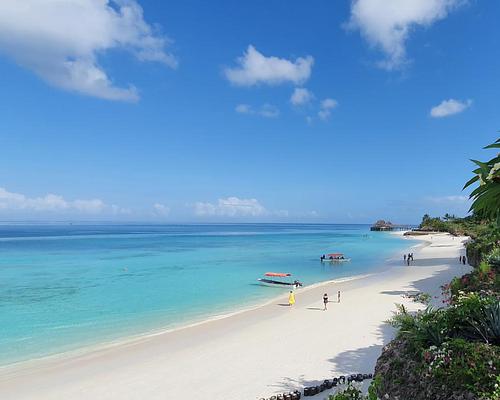
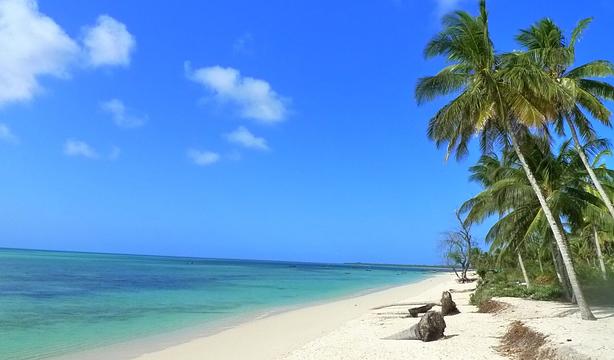
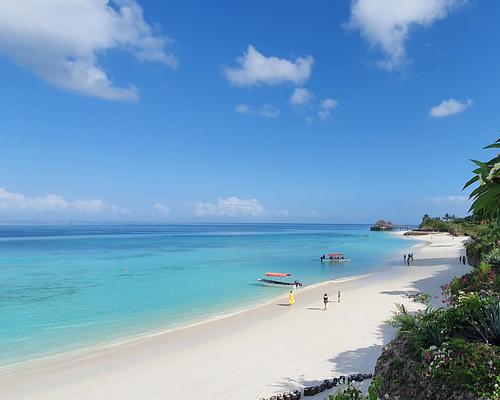
 The crystal clear Indian Ocean and fine bleached sand make for an ideal beach holiday. The coral reef not only protects the island from pounding surf, but also provides endless marine interest for divers and snorkelers alike.

Zanzibar is easy to reach from Kenya, Tanzania, Zimbabwe and South Africa yet still retains a sleepy charm and historic atmosphere.  Indian and Arab influences combine to create impressive architecture and delicious food. After visiting the sights of the Stone Town, its beaches are perfect for some secluded relaxation - pre or post safari. 


HISTORY OF ZANZIBAR

In Arabic the name ‘Zanzibar’ means “Coast of the black people”. Sultan Seyid Said moved the capital of his Omani Empire to Zanzibar in 1832, from which time it prospered in culture, architecture, agriculture and trade. It later became a British protectorate until it gained its independence in 1964, just before forming the union with Tanganyika. Zanzibar is evocative of romance, magic and mystery. It is fringed by coral reefs and sweeping sandy beaches. The coral Old Stone Town is registered for preservation with UNESCO. Narrow streets, the bustling fruit market and veiled women all add to the enjoyment of a walk in the Stone Town.


GEOGRAPHY
Zanzibar lies off the east coast of Africa and consists of two main islands, Unguja and Pemba, and several surrounding small islands. The combined area of all the islands is 4,891 sq km. The capital, Zanzibar town, is on Unguja Island which is situated 37 km from the mainland, 73 km from Dar Es Salaam and 219 km from Mombasa. It is 86 km long and 39 km wide, and has an area of 3,354 sq km. This island is higher in the central parts, but lower and flat in the eastern and southern parts. The western side is very fertile, while the eastern region is mainly coral rag. 

Mafia and Pemba Islands

MAFIA ISLAND

Mafia Island situated a short flight off the coast from Dar es Salaam. Offers the remoteness of Pemba, accompanied by the same extreme diving experiences. We can arrange for protected inner reef diving to cater for novice divers, or outer reef dives for the more experienced diver.

PEMBA ISLAND

Pemba is the sister island of Zanzibar (Unguja) situated about 50 km north. It is even less touched by tourism than Zanzibar. It can be approached by boat or land-based diving. The diving off Pemba is breathtaking offering drift/ deep/ reef wall drop-offs/ large game fish and mammal life (inc. dolphins/ manta rays/ tuna/ barracuda), as well as abundant coral and smaller fish, with 50m visibility. We can arrange for all divers needs and uses a large metal hulled dive boat; approx *60 tanks; emergency equipment etc. 

Diving In Zanzibar & Pemba

The waters around Zanzibar and Pemba (the sister island) offer divers of all levels (from “discover scuba” diver, through to dive instructors) some of the best diving in the Indian Ocean. There are uninterrupted blue skies and crystal clear waters most of the year, and an amazing diversity of coral reef sites stretching along the whole north, south and east coasts (Zanzibar is after all a coral island). 

There are established professional PADI and diving clubs as well as live board boat charters for the most adventurous. The seas around Zanzibar and Pemba offer even the most experienced divers new experiences; frequent whale shark sightings, hammerhead mating grounds in the Pemba channel, swimming with dolphins, giant manta rays, or in a cloud of stingrays. There are also exhilarating drift dives, and coral walls reaching up from apparently bottomless drop offs.

As Zanzibar is still relatively untouched by large scale commercial tourism, the dive sites still offer the abundance of fish and coral life that other areas can no longer hope to sustain. The waters are not over-fished and remain predominantly undisturbed unlike the more crowded areas of the African coast.

SEASONS FOR DIVING
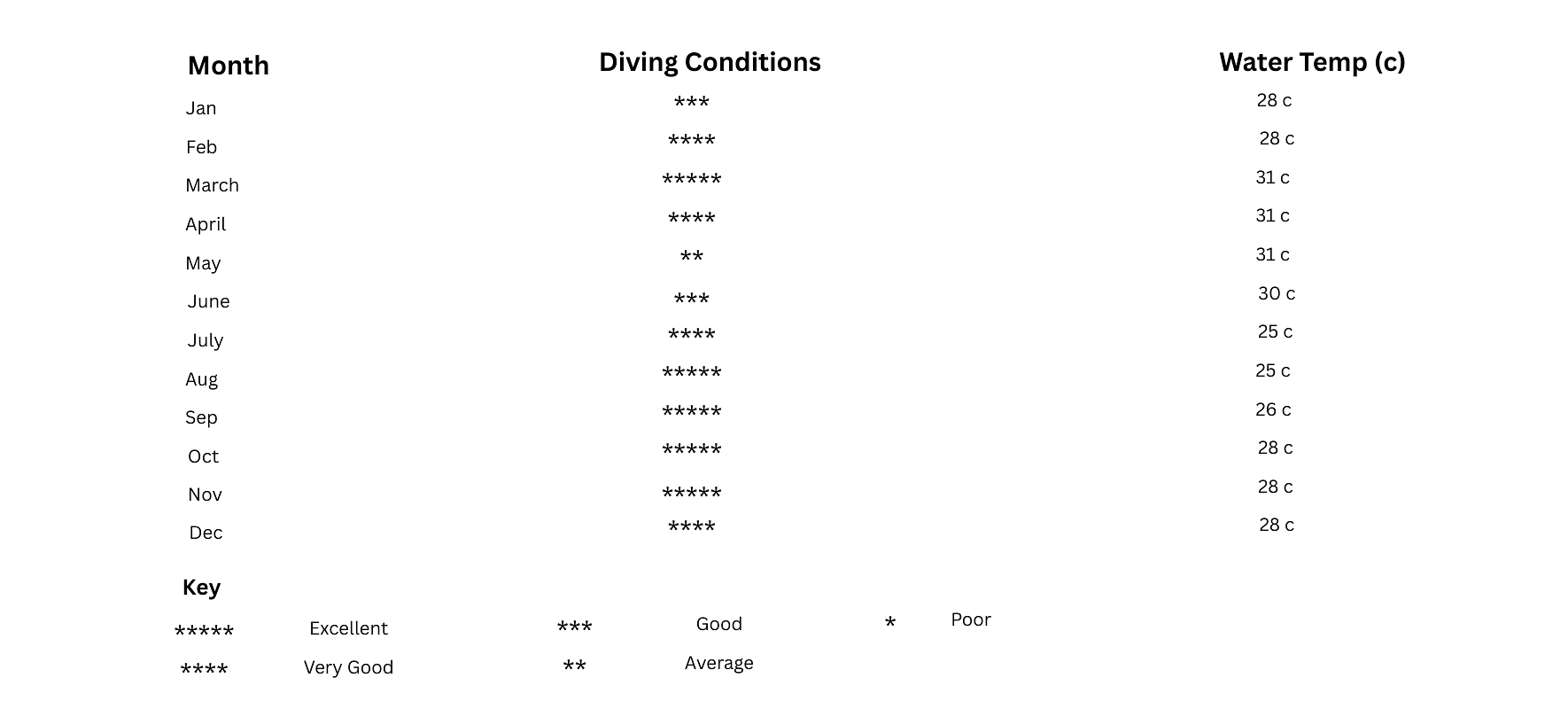
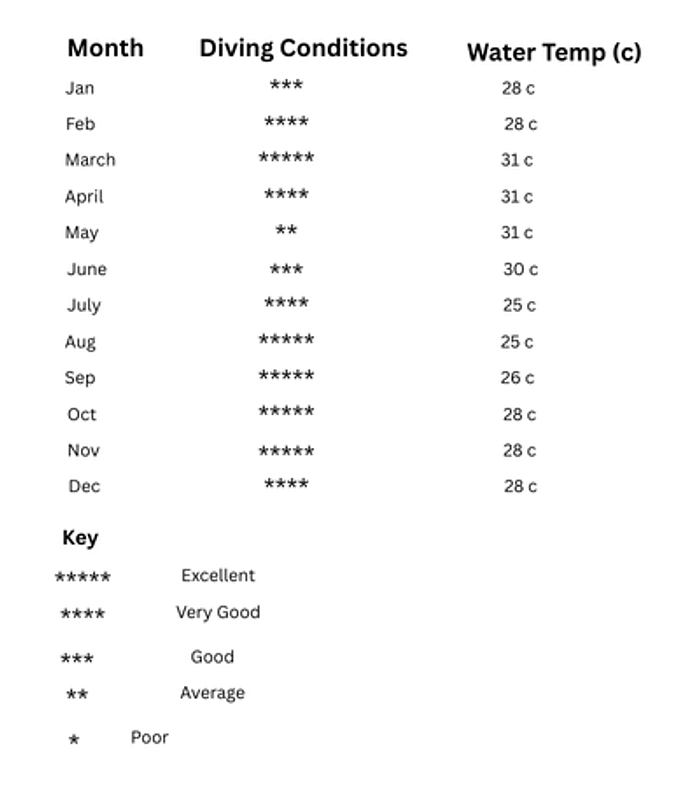
The two best seasons for diving, affording the most suitable conditions both above and below water are either from mid-February until mid-April, or from mid-July until November. The worst seasons are between December and mid-February, and mid-April to mid-July. (Although, diving, visibility, and marine life abundance are, in fact good all year around, there is greater chance of reduced visibility and marine life between these periods, as these are the regular rainy seasons) - see table below.

Explore Tours and Safaris, Activities and Accommodation options in Zanzibar